
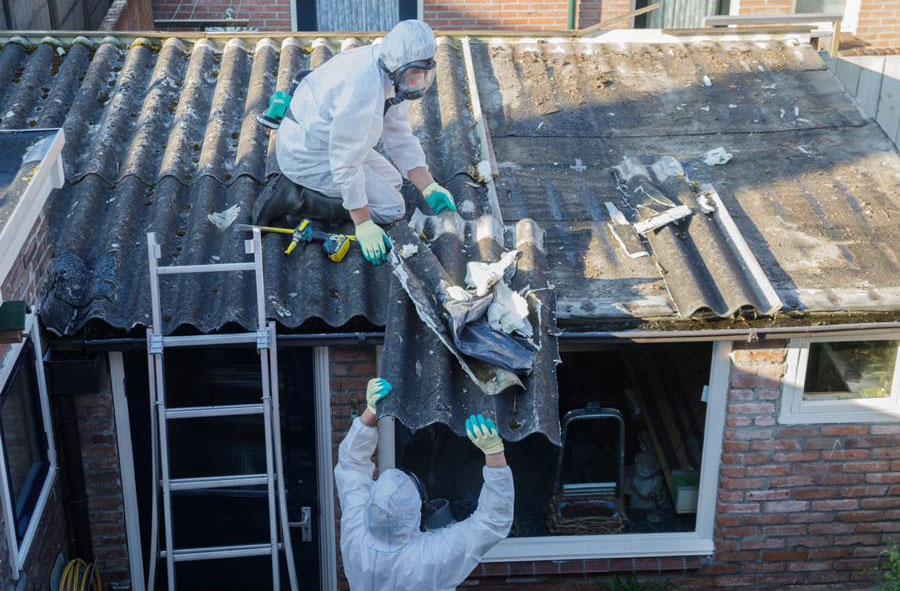
What Are The Health Risks Associated With Asbestos Roof Removal?
There’s a significant risk to your health when it comes to asbestos roof removal. Asbestos, a hazardous material commonly used in building materials, can release toxic fibers into the air during the demolition process. Inhaling these fibers can lead to serious respiratory issues, including asbestosis and lung cancer. If you’re planning to tackle an asbestos roof removal, it’s vital to understand the health risks involved and take appropriate safety measures to protect yourself and those around you.
Key Takeaways:
- Asbestos exposure during roof removal can lead to serious health issues, including lung diseases and cancers, such as mesothelioma.
- Proper safety protocols and personal protective equipment (PPE) are crucial to minimize the risk of airborne asbestos fibers during the removal process.
- Hiring professional asbestos removal services ensures compliance with safety regulations and decreases the likelihood of health hazards for both workers and residents.
The Silent Dangers of Asbestos Exposure
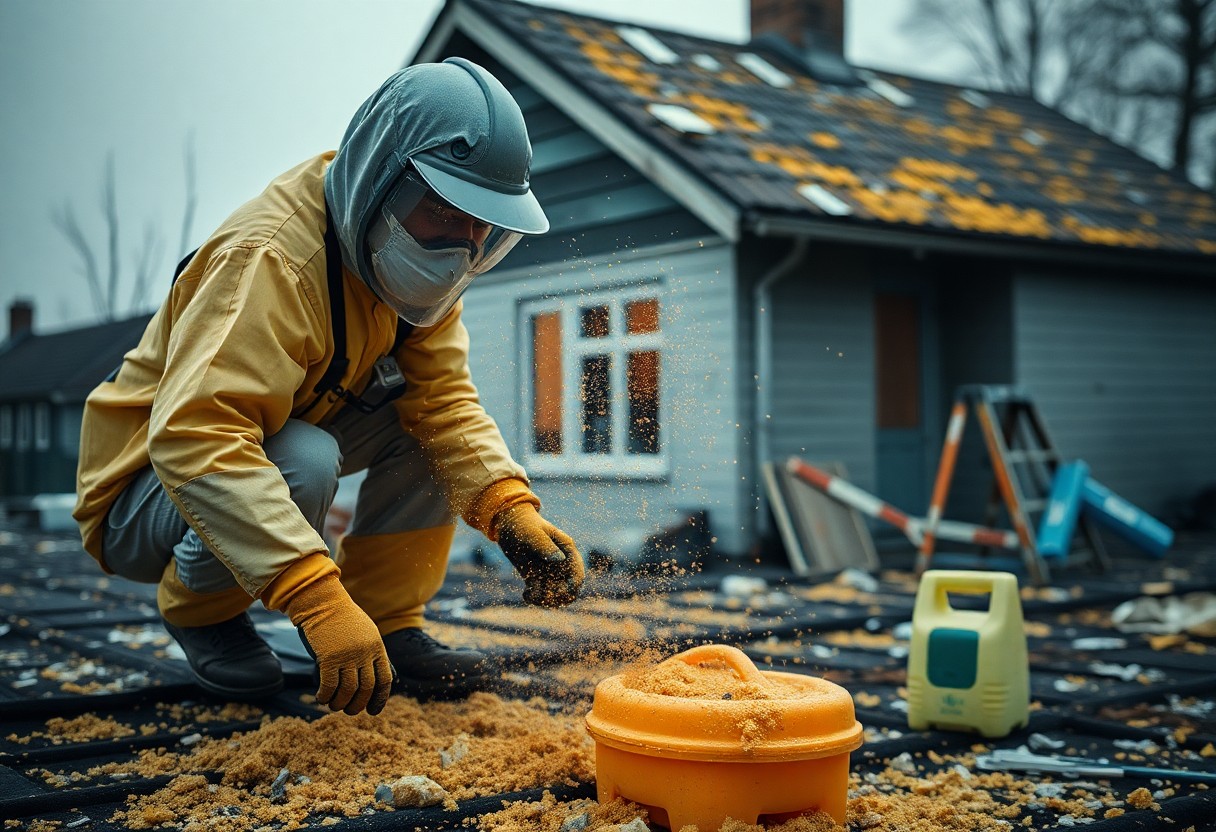
The insidious threat of asbestos lies in its inconspicuous nature. Often found in materials you might encounter daily, its fibers easily become airborne, making it dangerously simple to inhale without even realizing it. As you navigate spaces with potential asbestos, the long-term consequences may go unnoticed for years, only to manifest into severe health issues. This silent menace can drastically affect your quality of life, emphasizing the importance of addressing any concerns promptly and taking necessary precautions during removal. Ignoring the presence of asbestos is not an option; safeguarding your health should be your priority.
Asbestos: An Overview of Health Risks
Exposure to asbestos has been linked to various life-threatening conditions, including lung cancer, mesothelioma, and asbestosis. These diseases often develop after years of exposure, making early detection challenging and late treatment far less effective. Historical data shows that workers in industries involving asbestos-related materials face heightened risks, with the likelihood of developing related illnesses increasing significantly with the duration and intensity of exposure. This consistent threat should urge you to take any potential asbestos exposure seriously, especially during roof removal or renovations.
How Asbestos Impacts Respiratory Health
As asbestos fibers are inhaled, they can become trapped in the lung tissue, causing inflammation and scarring over time. This exposure can lead to a range of respiratory issues, including chronic cough, difficulty breathing, and, in severe cases, irreversible lung damage. The small size and sharp edges of asbestos fibers enable them to penetrate deep into the lungs, causing long-lasting effects on your respiratory system. Over time, this inflammation can progress into more serious diseases, which may significantly impair your lung function and quality of life, making early detection a vital part of any health strategy.
Occupational Hazards During Roof Removal
Removing an asbestos roof exposes workers to hazardous fibers that can become airborne, significantly increasing the risk of inhalation and long-term health issues. The process often involves cutting, sanding, or disturbing the material, which can release asbestos particles into the environment. Without appropriate precautions, the dangers escalate, making it vital to assess the safety measures in place before any removal work begins.
Workers at Risk: Who is Affected?
Your crew members and subcontractors working on the roof are at the highest risk of asbestos exposure, but others nearby can also be affected. Individuals nearby, such as service workers, neighbors, or even family members, could inhale airborne fibers, leading to health complications later on. Asbestos-related diseases often take years to manifest, and knowing who might be exposed is key to ensuring proper safety protocols are enforced.
Safety Protocols: Are They Enough?
While safety protocols exist to manage asbestos removal, they are often not sufficient to eliminate all risks. Standard precautions may include wearing protective gear and following specific removal techniques, yet many workers may not receive comprehensive training or resources needed to mitigate exposure completely. Without stringent enforcement and constant reevaluation, gaps can remain that leave workers vulnerable to hazardous fibers.
Ensuring that safety protocols effectively protect workers requires more than just standard operating procedures. Regular training sessions should be mandatory to keep everyone informed about evolving best practices, while the use of air monitoring systems can help identify airborne fibers during removal. An emphasis on proper waste disposal techniques and creating isolation zones around the work site can further minimize risks. Continual assessments and updates to safety measures based on real-time data and feedback can lead to a healthier work environment, ultimately safeguarding the well-being of everyone involved.
The Role of Professional Asbestos Abatement
Engaging a professional asbestos abatement company ensures that removal is conducted safely and in compliance with legal regulations. These specialists are equipped with the necessary tools, training, and certification to properly handle asbestos-containing materials. They follow stringent protocols to prevent exposure to hazardous fibers, thereby safeguarding both workers and residents during the removal process.
Benefits of Hiring Certified Professionals
Hiring certified professionals for asbestos roof removal brings peace of mind and safety. Trained experts not only recognize the presence of asbestos but also implement effective containment measures, limit disturbances that can release fibers, and guarantee proper disposal of hazardous materials. Their experience reduces the risk of exposure and potential health complications for you and your family.
Need help? We undertake asbestos roof removal in Brighton, Colchester, Tunrbridge Wells and all over the South East of England
Consequences of DIY Removal: A Costly Mistake
Opting for DIY asbestos removal may seem like a cost-saving approach, but the risks far outweigh the potential savings. Without proper training and equipment, you could inadvertently release harmful asbestos fibers into your home, endangering your health and that of others. Additionally, improper removal can lead to expensive fines or legal ramifications due to non-compliance with regulations.
Engaging in DIY asbestos removal can quickly spiral into a costly mistake. Many homeowners underestimate the complexities involved, such as the necessity for specialized gear and procedures to protect against fiber inhalation. Moreover, if any asbestos remains after what you believed to be a thorough removal effort, you could be left with a lingering health risk. Consider that fines for violations can run into thousands of dollars, on top of potential medical costs from long-term exposure. Protect your investment and health by relying on trained professionals who can ensure that all materials are removed safely and appropriately.
Long-Term Health Consequences
Exposure to asbestos, particularly during roof removal, can lead to severe long-term health consequences. Even minimal exposure elevates your risk of developing serious diseases like asbestosis, lung cancer, and mesothelioma. These conditions can emerge decades after your initial exposure, highlighting the importance of considering remediation measures before begining on any asbestos removal project.
Asbestos-Related Diseases: A Closer Look
Asbestos-related diseases manifest in various forms, including lung scarring, tumors, and pleural thickening. Asbestosis, for instance, is a progressive lung disease caused by inhaling asbestos fibers, leading to breathing difficulties and ultimately respiratory failure. Mesothelioma, a rare cancer associated with asbestos exposure, primarily affects the lining of the lungs and can be devastating. Recognizing these conditions emphasizes the gravity of asbestos exposure risks.
The Latency Period: Understanding Delayed Symptoms
The latency period for asbestos-related diseases can span 20 to 50 years, meaning symptoms may not appear until decades after exposure. This delay complicates diagnosis and treatment, as many may not associate current health issues with past asbestos exposure. Regular medical check-ups become vital, especially for individuals with known exposure history.
This long latency period poses a significant challenge for those exposed to asbestos. Symptoms such as shortness of breath, persistent cough, or chest pain may be easily dismissed or mistaken for less severe conditions, delaying necessary medical attention. Given the complexity and chronic nature of asbestos-related diseases, understanding the timeline is imperative for early detection and intervention. Keeping track of your health and seeking medical advice promptly can prove crucial in managing potential risks associated with past asbestos exposure.
Legal and Regulatory Implications
Engaging in asbestos roof removal brings along a maze of legal and regulatory considerations that you must navigate. Compliance with local, state, and federal regulations is vital to avoid hefty fines and potential lawsuits. That often means obtaining the necessary permits, notifying relevant authorities, and adhering to specific waste disposal guidelines. Ignoring these legalities can expose you to not only financial repercussions but also serious health liabilities for both workers and residents.
Asbestos Regulations: What You Need to Know
Familiarizing yourself with asbestos regulations is crucial for any project involving removal. The Environmental Protection Agency (EPA) has established strict guidelines that dictate how asbestos should be handled, removed, and disposed of. You may be required to submit a notification to local health departments or build permits, depending on your state’s laws. Failure to comply can lead to investigations and civil penalties.
Liability Issues for Homeowners and Contractors
Liability issues come into play when dealing with asbestos roof removal, affecting both homeowners and contractors. If the removal is not handled properly, you could face lawsuits stemming from health consequences related to airborne asbestos exposure, even long after the project has concluded. Homeowners might hold contractors accountable if they fail to meet regulatory standards, while contractors may seek indemnities if they are not made aware of existing asbestos prior to the contract.
In terms of liability, both homeowners and contractors should establish clear agreements before commencing work. Homeowners may want to ensure that contractors provide proof of insurance that specifically covers asbestos-related risks. Simultaneously, contractors should conduct thorough assessments and inform you about the potential hazards present. Involving legal counsel to review contracts can also provide a safety net to help avoid potential liability disputes throughout the removal process.
Conclusion
Drawing together the information on health risks associated with asbestos roof removal, it’s vital for you to understand that exposure to asbestos fibers can lead to serious health issues, including lung disease and cancer. If you’re considering this type of home improvement, ensure you employ professional services that follow safety guidelines. Taking the appropriate precautions will help safeguard your health and minimize risks associated with asbestos exposure during the removal process. Prioritizing safety can protect not only you but also your family and community.
FAQ
Q: What health risks are associated with exposure to asbestos during roof removal?
A: During the removal of asbestos roofing, workers and individuals nearby may be exposed to asbestos fibers, which can lead to serious health issues. Inhalation of these fibers can result in diseases such as asbestosis, lung cancer, and mesothelioma. These conditions may take years, even decades, to develop, but they carry significant health risks that can be life-threatening.
Q: What symptoms should be monitored after potential asbestos exposure?
A: After possible exposure to asbestos during roof removal, it is important to monitor for symptoms that can indicate serious health issues. Common symptoms include persistent coughing, shortness of breath, chest pain, and unexplained weight loss. If any of these symptoms occur, especially if there is a history of asbestos exposure, it is advisable to consult a healthcare professional for further evaluation and possible testing.
Q: How can workers protect themselves during the roof removal process to minimize health risks?
A: To reduce the risk of asbestos exposure during roof removal, workers should follow strict safety protocols. This includes wearing appropriate personal protective equipment (PPE) such as respirators, protective clothing, and gloves. Work areas should be properly sealed to prevent the spread of asbestos fibers, and it is important to wet the material before removal to minimize dust. Additionally, workers should be trained in safe asbestos handling procedures and follow local regulations regarding asbestos removal.