
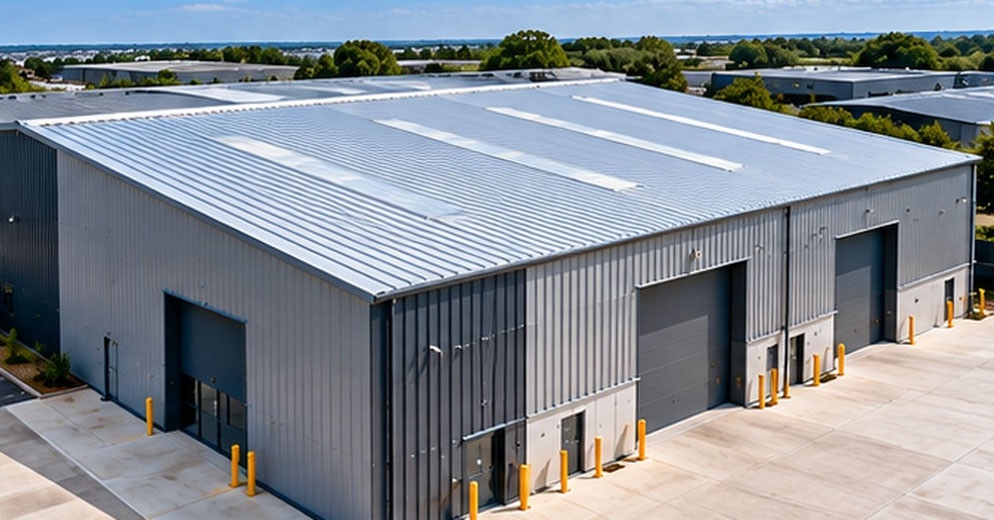
Industrial Roof Repair or Replacement: How Do You Know Which You Need?
Choosing between industrial roof repair or replacement depends on the condition of the roof, the extent of the damage and its expected remaining lifespan. A localised leak may only need a straightforward repair. However, widespread corrosion, repeated leaks or poor insulation can indicate that refurbishment or replacement offers better long-term value.
The age of the roof alone should not determine the decision. Two roofs of a similar age can be in very different condition depending on their construction, exposure, maintenance history and previous repairs.
This guide explains the main signs to look for. It also explores when repairing an industrial roof makes sense and when replacing it may provide a more effective solution.
Should You Repair or Replace an Industrial Roof?
You should normally consider repair when the problem affects a limited area and the rest of the roofing system remains sound. Replacement becomes more appropriate when problems affect large areas or the existing system is approaching the end of its useful life.
However, the choice is not always simply between a small repair and complete replacement. Refurbishment may provide another option. This can address more extensive problems without necessarily requiring an entirely new roof structure.
A professional roof inspection can help establish the extent of deterioration. It can also identify problems that may not be obvious from ground level.
When Is Industrial Roof Repair the Better Option?
Industrial roof repair can provide a cost-effective solution when the underlying roofing system remains in good condition. The key question is whether the problem is isolated or part of wider deterioration.
Repair may make sense when:
- Leaks affect one or two clearly identifiable areas
- Damage is localised rather than widespread
- The main roof covering remains in reasonable condition
- Flashings, fixings or individual components have failed
- The roof still has a substantial expected service life
- Previous repairs have successfully resolved similar isolated issues
Prompt repairs can also prevent a relatively small problem from causing more extensive damage. Water entering an industrial building can affect insulation, internal finishes, stock, equipment and business operations.
NextGen provides commercial roofing repairs for industrial and commercial properties. The existing roof should first be assessed so that repairs address the cause of the problem rather than simply its visible symptoms.
When Should You Replace an Industrial Roof?
Industrial roof replacement becomes worth considering when deterioration affects the roofing system more widely. It may also make sense when continued repairs no longer provide a reliable or economical solution.
Common warning signs include:
- Leaks appearing repeatedly in different areas
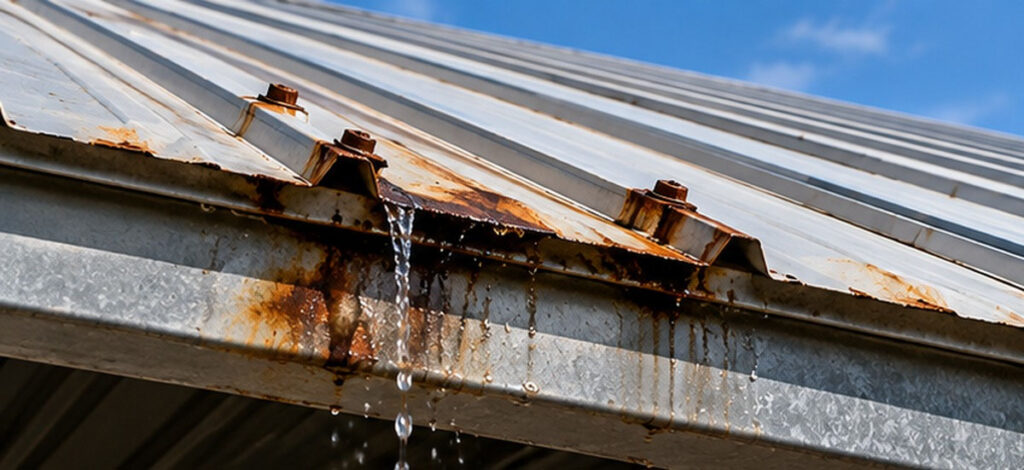
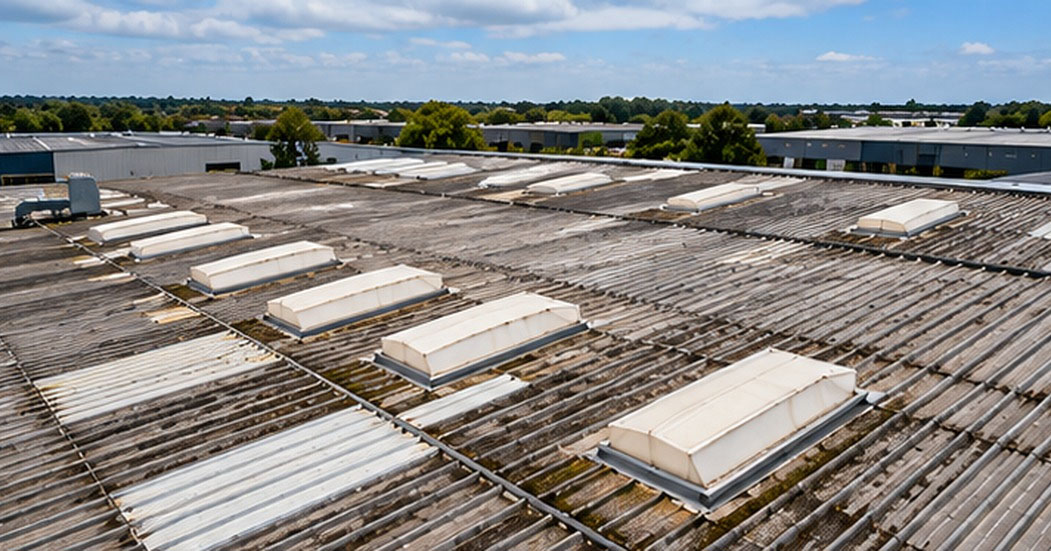
- Extensive corrosion or deterioration of metal roof sheets
- Numerous previous repairs across the roof
- Damaged or deteriorating roof panels
- Poor thermal performance
- Persistent condensation problems
- Increasing maintenance and repair costs
- A roofing system approaching the end of its expected service life
At this stage, repeatedly repairing individual defects can become a false economy. The business continues paying for repairs while still facing the risk of further leaks and disruption.
For businesses considering a new industrial roofing system, NextGen provides industrial roofing services in Kent, including new roof installation and replacement projects.
What Are the Signs That an Industrial Roof Needs Replacing?
Recurring leaks, widespread corrosion, deteriorating panels and increasing repair costs are among the clearest signs that an industrial roof may need replacement. Poor insulation and persistent condensation can provide further reasons to review the existing system.
Recurring roof leaks
One isolated leak does not necessarily mean you need a new roof. Several leaks appearing across different parts of the building can indicate more widespread deterioration.
It is also worth considering how frequently leaks return after repair. Continually addressing new problems can eventually cost more than tackling the roofing system as a whole.
Corrosion and deteriorating metal sheets
Localised corrosion may sometimes allow for targeted repairs. Widespread deterioration across metal sheets, fixings or junctions presents a different problem.
The extent of corrosion matters more than the presence of a single affected area. An inspection can determine whether deterioration remains localised or affects the wider roofing system.
Increasing numbers of repairs
A long history of patch repairs can indicate that the roof is becoming increasingly difficult to maintain economically.
Individual repairs may still solve individual leaks. However, a roof that continually develops new problems deserves a broader assessment.
Poor insulation and energy performance
An older industrial roof may remain watertight but perform poorly from a thermal perspective. This can become particularly important in heated warehouses, factories, workshops and other occupied commercial buildings.
A roof replacement project creates an opportunity to consider a modern insulated roofing system rather than simply replacing the external covering like for like.
Condensation inside the building
Condensation does not automatically mean the roof requires replacement. Ventilation, insulation, internal humidity and the roof construction can all contribute to the problem.
However, persistent condensation deserves investigation. This is especially important when it occurs alongside poor insulation or deterioration within the existing roofing system.
Industrial Roof Repair or Replacement: Which Costs Less?
An industrial roof repair will normally cost less initially than replacing an entire roof. However, the lowest immediate cost does not always represent the lowest long-term cost.
For example, repairing one damaged section of an otherwise sound roof can make financial sense. Continually repairing an extensively deteriorated roof may not.
When comparing industrial roof repair or replacement, consider the likely cost over several years. Include future maintenance, additional repairs, disruption and energy performance rather than looking only at today’s quotation.
The condition and size of the roof will have a major influence on cost. Access requirements, materials, insulation and the complexity of the work will also affect the final price.
Can an Industrial Roof Be Refurbished Instead of Replaced?
Yes. Some industrial roofs can be refurbished rather than completely replaced. The suitability of refurbishment depends on the existing roofing system, supporting structure and extent of deterioration.
Refurbishment can sometimes extend the useful life of a building while improving weather protection or thermal performance. However, it will not suit every roof.
A detailed inspection is important before deciding between repair, refurbishment and replacement. The aim should be to choose a solution that addresses the condition of the whole roofing system.
Can You Replace an Industrial Roof While the Building Is in Use?
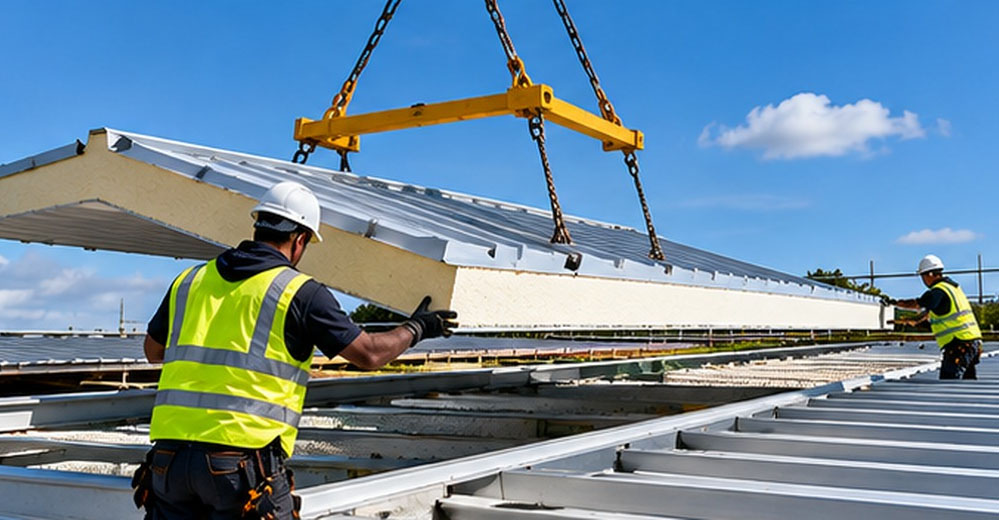
In many cases, roofing contractors can plan industrial roof replacement around an operational building. However, the feasibility will depend on the property, roofing system and work required.
Careful project planning becomes particularly important for warehouses, factories and commercial premises that need to continue operating. Contractors may need to consider access, working areas, stock, machinery and the safety of people inside the building.
Phasing the project can sometimes help reduce disruption. The contractor should consider these requirements during the planning and specification stages.
What Should You Consider Before Replacing an Industrial Roof?
Roof replacement provides an opportunity to look beyond the problems affecting the existing roof. It also allows the building owner to consider what the new roofing system needs to achieve over the coming years.
Important considerations include:
- The current and future use of the building
- Thermal and insulation requirements
- Ventilation and condensation control
- Fire performance requirements
- Roof drainage
- Maintenance access
- Expected lifespan
- Future maintenance requirements
- Potential disruption during installation
The choice of roofing system should reflect these requirements. Our guide to the best roofing systems for industrial and commercial buildings explains the main factors in more detail.
What Type of Roofing Can Replace an Old Industrial Roof?
Metal roofing and insulated panel systems provide suitable options for many industrial roof replacement projects. The right system depends on the existing structure and the performance required from the new roof.
Modern metal roofing systems can provide a durable solution across large industrial roof areas. Insulated panel systems can also improve the thermal performance of the building envelope.
NextGen also works with QuadCore KarrierPanel systems for suitable commercial and industrial applications.
How Long Does Industrial Roof Replacement Take?
There is no standard timescale for replacing an industrial roof. The size and complexity of the building will influence the programme. The roofing system, access requirements, weather and whether the premises remain operational can also affect it.
A small industrial unit may require a very different programme from a large warehouse or manufacturing facility. Contractors should therefore assess the individual project before providing a realistic timescale.
Can You Repair an Industrial Roof Without Replacing It?
Yes. If damage remains localised and the overall roofing system is sound, repair may extend the life of an industrial roof without requiring full replacement.
The important point is to establish why the problem occurred. Simply patching the visible location of a leak may not solve the underlying issue.
Where problems continue to return or appear in different areas, a broader roof survey can help determine whether continued repair remains worthwhile.
Industrial Roof Repair and Replacement in Kent
NextGen Cladding is based in Maidstone and works on industrial and commercial roofing projects throughout Kent and the wider South East.
For existing roofs with localised problems, our commercial roof repair services can address a range of roofing issues.
Where a building requires a new roofing system, our industrial roofing contractors in Kent service covers new installations and roof replacement projects.
We also provide commercial roofing services throughout Kent for businesses planning larger roofing projects.
Frequently Asked Questions About Industrial Roof Repair or Replacement
Is it better to repair or replace an industrial roof?
Repair usually makes sense when damage is localised and the rest of the roof remains in good condition. Replacement may provide better long-term value when deterioration is widespread, leaks keep returning or repair costs continue to increase.
How do I know if my industrial roof needs replacing?
Recurring leaks, widespread corrosion, deteriorating panels and numerous previous repairs can indicate that replacement deserves consideration. Poor insulation and persistent condensation can provide additional reasons to assess the roof.
Can a leaking industrial roof be repaired?
Yes. Contractors can repair many industrial roof leaks without replacing the entire roof. The appropriate solution depends on the cause of the leak and the condition of the surrounding roofing system.
Should I keep repairing an old industrial roof?
That depends on the condition of the roof and the frequency of repairs. Occasional localised repairs may remain economical. Repeated repairs across several areas can indicate that refurbishment or replacement deserves consideration.
Can an industrial roof be replaced in sections?
Some projects can be completed in phases or sections. The existing roof construction, new roofing system and operation of the building will determine whether this approach is practical.
Do I need to close my business during an industrial roof replacement?
Not necessarily. Contractors can carry out some industrial roofing projects while businesses continue operating. This depends on the building and scope of work, so access, safety and disruption should form part of the project planning.
Discuss Your Industrial Roof With NextGen Cladding
Choosing between industrial roof repair or replacement requires an understanding of the existing roof and the building’s future requirements. A small, isolated defect may only require repair. Widespread deterioration or repeated problems may make refurbishment or replacement more appropriate.
NextGen Cladding provides industrial and commercial roofing services from its Maidstone base across Kent and the South East.
Contact NextGen Cladding to discuss the condition of your industrial or commercial roof and the available options.