
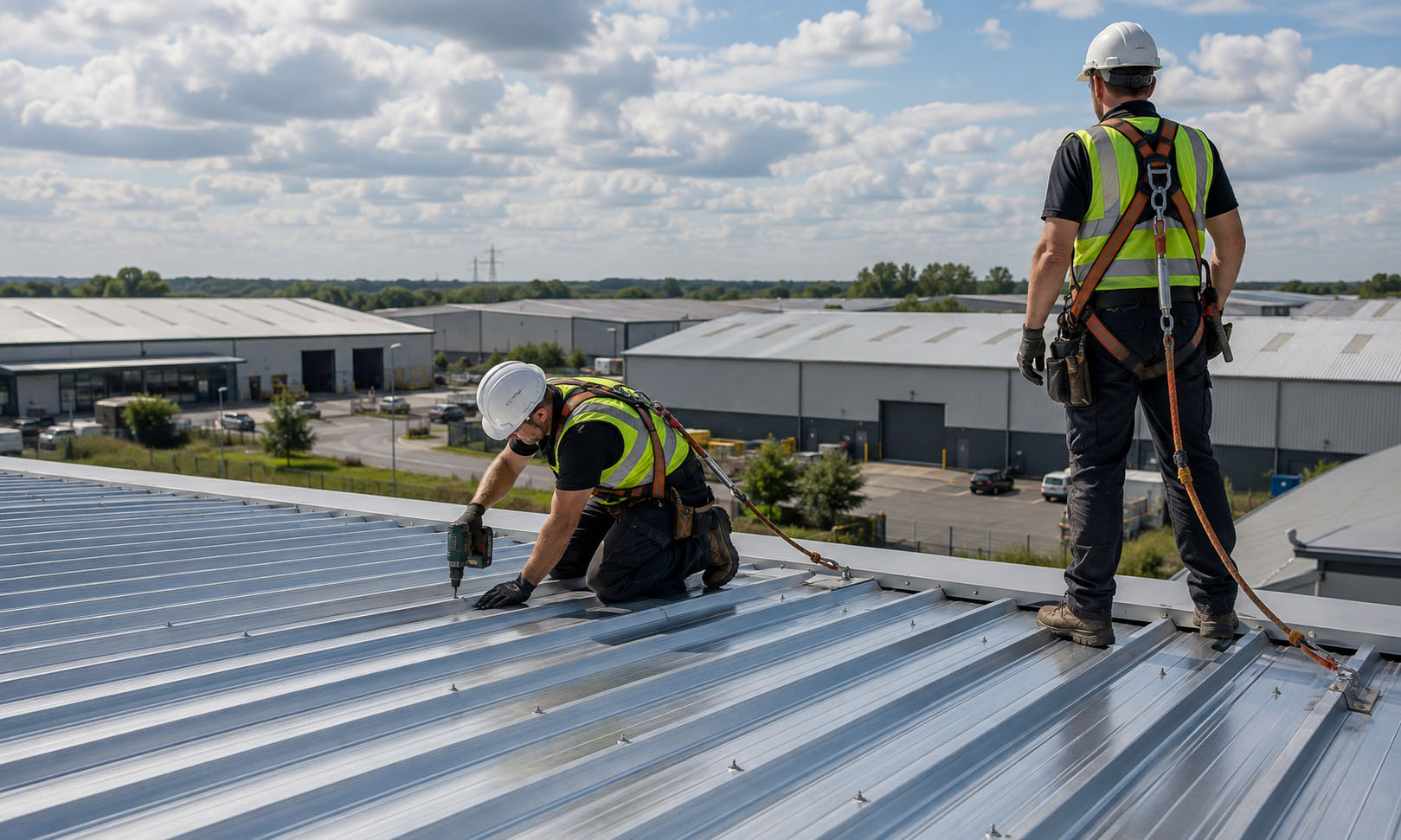
If you own or manage a warehouse, factory, industrial unit or other large commercial building, choosing the right roofing contractor is important. Industrial roofing contractors in Kent work with the larger roof areas, specialist metal roofing systems and practical site requirements that are common on industrial premises.
A general roofer may be highly experienced with houses and smaller properties. However, industrial roofing presents different challenges. These include large roof spans, metal roofing sheets, rooflights, complex access requirements and the need to work safely around an operating business.
So, should you choose an industrial roofing specialist or a general roofing company? Below, we answer the questions businesses commonly ask before appointing a contractor.
Industrial Roofing Contractors Kent vs General Roofers: What Is the Difference?
The main difference is the type of roofing work each contractor carries out regularly.
General roofers often work on domestic properties and smaller commercial buildings. Their work may include tiled roofs, slate roofs, domestic flat roofing and smaller repairs.
Industrial roofing contractors focus on larger commercial and industrial buildings. These can include warehouses, factories, workshops, manufacturing premises, distribution centres and industrial units.
Industrial roofs also use different systems and materials. As a result, the contractor needs experience with large-scale roofing rather than simply general roofing knowledge.
Why Do Industrial Buildings Need Specialist Roofing Contractors?
Industrial roofs can cover very large areas. They may also include rooflights, ventilation systems, extraction equipment, gutters, flashings and other roof penetrations.
These features all need to remain weatherproof. In addition, leaks can sometimes appear inside the building some distance away from the point where water originally entered the roof.
An experienced industrial roofing contractor should therefore assess the roof as a complete system. This is particularly useful when a business has recurring leaks or several areas of deterioration.
Industrial contractors also understand the practical challenges of working above stock, machinery, offices, production areas and staff. Careful planning can help reduce disruption while work takes place.
What Types of Industrial Roofing Systems Are Commonly Used?
Metal roofing is widely used on industrial and commercial buildings because it can cover large roof areas efficiently and provide a durable roofing solution.
Common industrial roofing systems include:
- Profiled metal roofing sheets used on warehouses, factories and industrial units.
- Standing seam metal roofing with concealed fixings and a clean finished appearance.
- Insulated roofing panels that combine an external roofing surface with thermal insulation.
- Built-up metal roofing systems designed to provide weather protection and thermal performance.
- Industrial rooflights incorporated into the roof to increase natural daylight.
NextGen Cladding specialises in metal roofing for industrial and commercial buildings across Kent and the South East.
Can a General Roofer Repair an Industrial Metal Roof?
Possibly, but you should first establish whether the contractor has genuine experience with industrial metal roofing.
Problems on metal roofs can include damaged sheets, loose or failed fixings, corrosion, defective joints, damaged flashings, deteriorated sealants and leaks around rooflights or other penetrations.
Repairing the first visible sign of water ingress does not always solve the underlying problem. A contractor who regularly works with industrial metal roofs should be able to investigate the wider roof area and identify the likely cause.
Do I Need a Specialist Contractor for a Warehouse Roof?
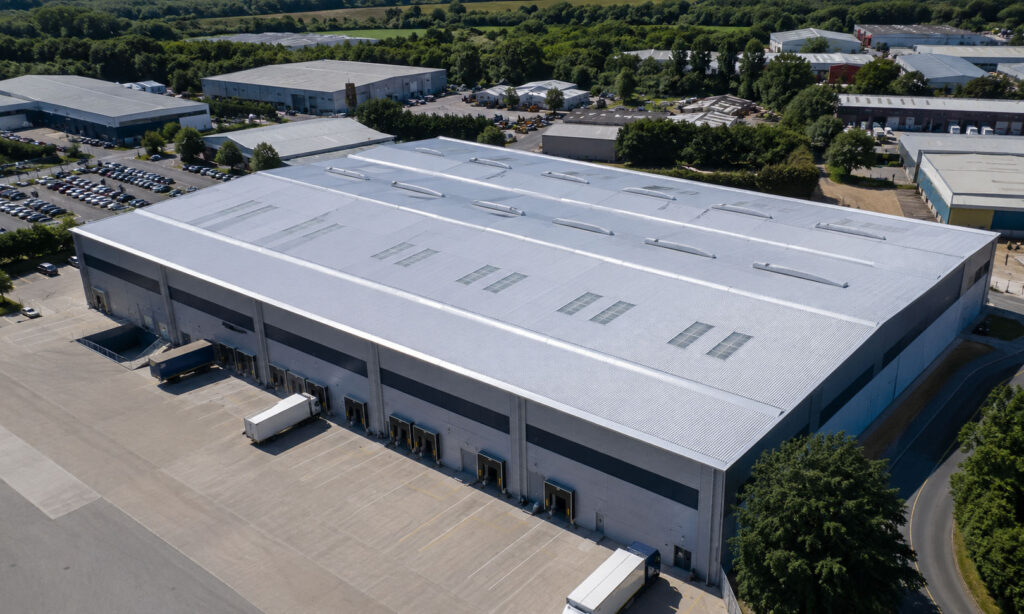
For a large warehouse, choosing a contractor with industrial roofing experience is advisable. Warehouse roofs often contain extensive areas of metal sheeting, rooflights, drainage systems and other components that need to work together.
The contractor also needs to consider what is happening around the building. Loading bays, delivery vehicles, staff, forklifts and stored goods may all affect how the project is planned.
This becomes even more important when the warehouse needs to remain operational during the roofing work.
What About Factory and Manufacturing Roofs?
Factories and manufacturing buildings can create additional challenges because production may need to continue while roof repairs or replacement work takes place.
These buildings may also have ventilation equipment, extraction systems, ducts and other roof penetrations. Each penetration creates detailing that needs to remain weatherproof.
An industrial roofing contractor should consider both the condition of the roof and the way the building is used before recommending a solution.
Can Industrial Roofing Work Be Carried Out While a Business Remains Open?
In many cases, yes. However, this depends on the condition of the roof and the amount of work required.
A larger project can often be divided into phases. Contractors may also plan access routes, material deliveries and working areas around the day-to-day operation of the site.
Where necessary, some work may be scheduled during quieter periods or planned shutdowns. Discussing this at the quotation stage helps both the contractor and the business plan effectively.
How Important Is Health and Safety on an Industrial Roof?
All roof work involves working at height. Industrial roofs can also include fragile rooflights, ageing sheets and areas that should not automatically be assumed to support a person’s weight.
Roof work should therefore be properly planned. Suitable access, fall protection and safe working procedures need to be considered before the project begins.
When comparing contractors, ask how they assess roof access, fragile surfaces and risks to people working both on and below the roof.
Should an Industrial Roof Be Repaired or Replaced?
A leaking or ageing industrial roof does not automatically need complete replacement.
Where deterioration is limited, targeted repairs may provide an effective solution. These can include replacing damaged sheets, renewing fixings, repairing flashings, resealing joints or addressing defects around rooflights.
However, repeated leaks, widespread corrosion or extensive deterioration may indicate that refurbishment or replacement will provide better long-term value.
The best approach depends on the roof’s condition, age, construction and the future plans for the building. NextGen also provides commercial roofing repairs where full roof replacement is not necessary.
What Are the Warning Signs of an Industrial Roof Problem?
Businesses should arrange an inspection if they notice:
- Water entering the building during or after rainfall.
- Repeated leaks in the same area.
- Visible corrosion on metal sheets.
- Loose, damaged or missing fixings.
- Cracks or deterioration around rooflights.
- Damaged flashings or joints.
- Overflowing or blocked gutters.
- Damp patches or staining inside the building.
Investigating a problem early can sometimes prevent a relatively small defect from becoming a more extensive repair.
What Should You Look for When Choosing Industrial Roofing Contractors in Kent?
Price is important, but it should not be the only factor when comparing quotations.
Before appointing a contractor, consider the following:
- Do they regularly work on industrial and commercial buildings?
- Do they have experience with your type of metal roofing system?
- Have they worked on warehouses, factories or industrial units similar to yours?
- How do they manage safe access and working at height?
- Can they plan the work around normal business operations?
- Do they provide repair, refurbishment and replacement options?
- Can they explain why they recommend a particular roofing system or repair?
- Will they inspect the existing roof before recommending major work?
A specialist should be able to explain the available options clearly rather than automatically recommending the most extensive solution.
Is It Better to Use a Kent-Based Industrial Roofing Company?
The most important consideration is choosing a contractor with the right experience. However, using a Kent-based industrial roofing company can offer practical advantages for businesses in the county.
A local contractor can visit the site to inspect the roof, discuss the project and assess access requirements without relying on teams travelling from another part of the country.
NextGen Cladding is based in Maidstone and provides industrial and commercial roofing services throughout Kent and the wider South East.
Do Industrial Roofing Contractors Also Install Cladding?
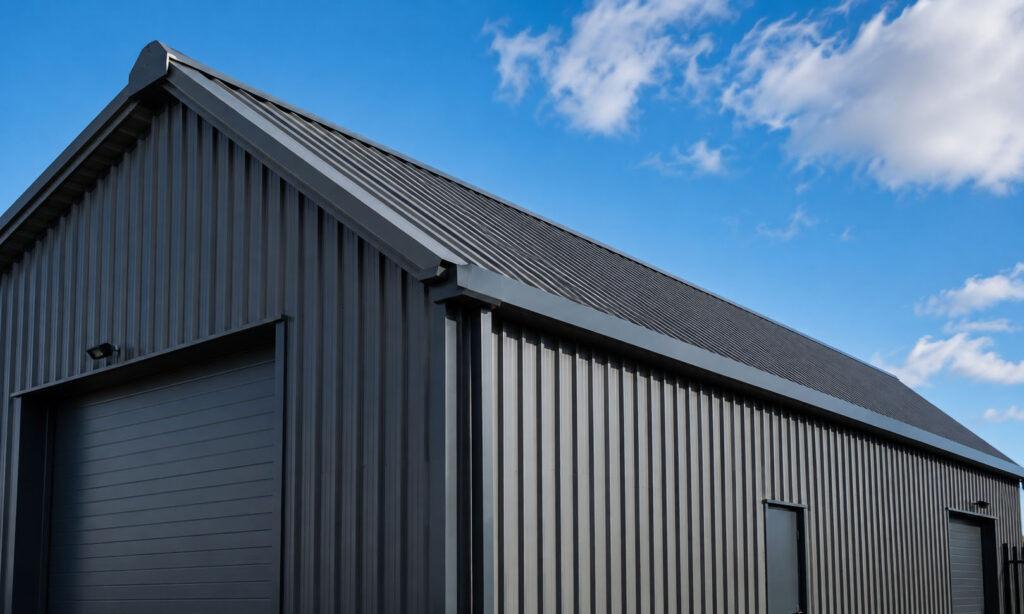
Some specialist companies work with both roofing and wall cladding because both form part of the external building envelope.
This can be useful where an industrial refurbishment involves several elevations as well as the roof. It can also make coordination easier where roof sheets, flashings, gutters and wall cladding meet.
NextGen provides both industrial roofing and metal cladding services for commercial and industrial buildings.
Frequently Asked Questions About Industrial Roofing Contractors
What buildings do industrial roofing contractors work on?
Industrial roofing contractors commonly work on warehouses, factories, workshops, manufacturing premises, distribution centres, industrial units and other large commercial buildings.
Do industrial roofers only install new roofs?
No. Industrial roofing work can include inspections, repairs, maintenance, refurbishment, replacement and completely new roofing installations.
Can an industrial roofer repair a leaking warehouse roof?
Yes. An experienced contractor can investigate sheets, joints, fixings, flashings, rooflights, penetrations and rainwater systems to identify the likely source of water ingress.
Is metal roofing suitable for industrial buildings?
Yes. Metal roofing is widely used on industrial buildings because it is suitable for covering large areas and is available in several systems, including profiled sheets, standing seam roofing and insulated panels.
How long does an industrial metal roof last?
There is no single lifespan that applies to every metal roof. Longevity depends on the roofing system, material, installation quality, exposure, maintenance and how quickly defects are repaired.
How often should an industrial roof be inspected?
The correct inspection schedule depends on the roof and the building. Additional inspections may also be useful after severe weather or when leaks, corrosion or visible damage appear.
Can an industrial roof be refurbished instead of replaced?
Yes, in many cases. A roof inspection can help determine whether repairs, refurbishment, an overlay system or full replacement provides the most appropriate long-term solution.
Do industrial roofing contractors work on commercial properties too?
Yes. Contractors specialising in industrial roofing commonly work on larger commercial premises as well as factories, warehouses and industrial units.
Looking for Industrial Roofing Contractors in Kent?
For a warehouse, factory or industrial building, choosing a contractor with relevant industrial roofing experience can make a significant difference. The right contractor should understand the roofing system while also considering access, safety, disruption and the long-term needs of the building.
NextGen Cladding specialises in industrial and commercial metal roofing and cladding. Based in Maidstone, the company works with businesses throughout Kent and the South East.
If you need advice about an industrial roof, metal roofing installation, refurbishment or repairs, contact NextGen Cladding to discuss your project.