
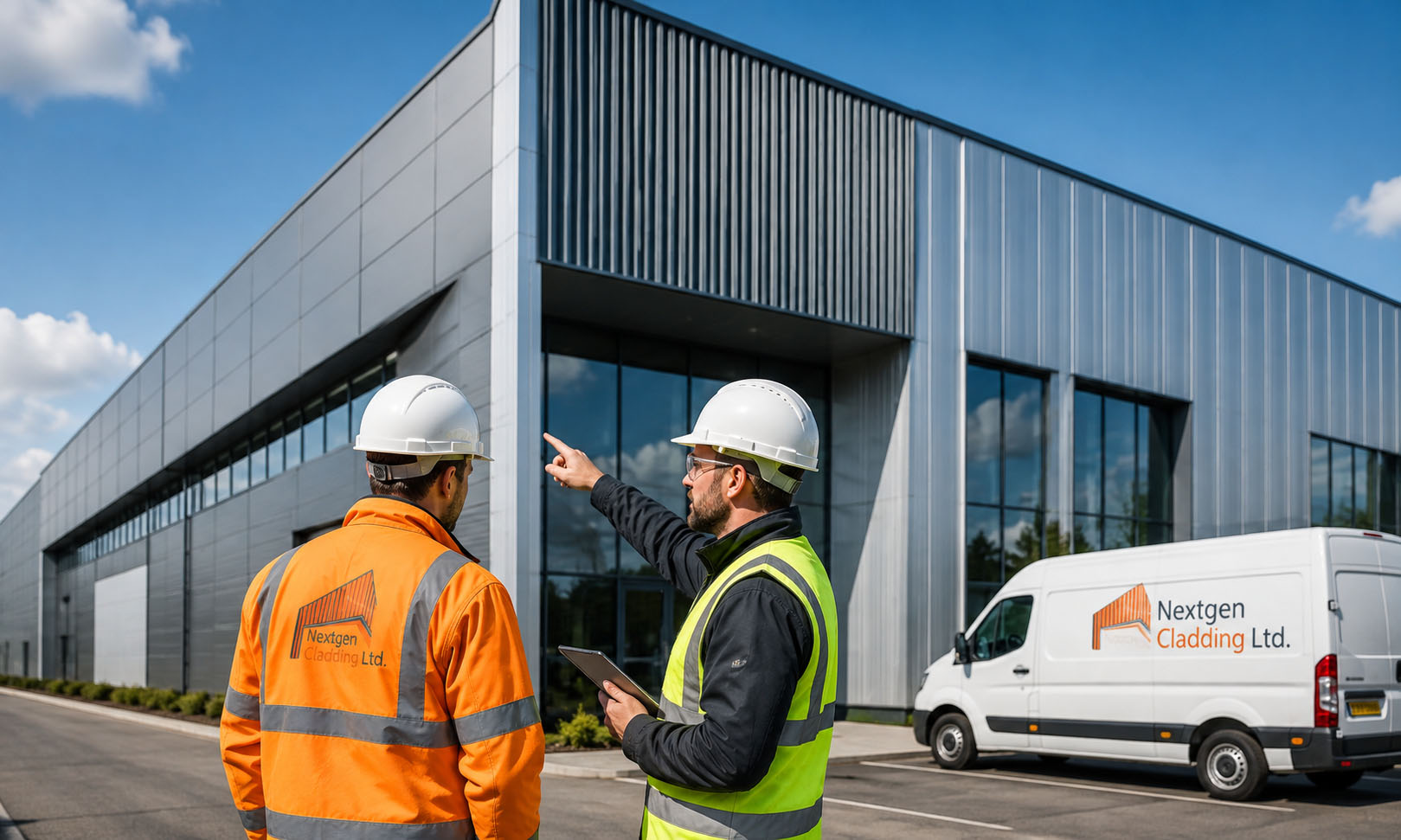
How to Choose a Commercial Cladding Contractor for a Large-Scale Project in Kent
Choosing the right cladding contractor for a large commercial building can have a significant effect on the appearance, weather protection and long-term performance of the property. When comparing commercial cladding contractors in Kent, businesses should therefore consider much more than the initial quotation.
Commercial cladding projects can involve warehouses, factories, offices, retail buildings, industrial units and other large premises. The contractor needs to understand the cladding system itself while also managing access, safety, project sequencing and the day-to-day operation of the site.
So, what should you look for when appointing a commercial cladding specialist for a large-scale project? Below, we answer the questions property owners, facilities managers, developers and main contractors commonly ask.
What Does a Commercial Cladding Contractor Do?
A commercial cladding contractor installs, repairs and refurbishes external cladding systems on business and industrial buildings.
Depending on the project, this can include:
- New metal cladding installation.
- Replacement of ageing or damaged cladding.
- Commercial building refurbishment.
- Profiled metal wall cladding.
- Insulated cladding panels.
- Architectural metal cladding.
- Timber cladding.
- Flashings, trims and associated details.
- Repairs to individual sheets or panels.
The contractor may also work alongside roofing specialists because roofs, gutters, flashings and wall cladding often form part of the same external building envelope.
Why Does Experience Matter on a Large-Scale Cladding Project?
Cladding a large warehouse, factory or commercial building is very different from carrying out small-scale domestic work.
Large projects may involve extensive elevations, specialist access equipment, material deliveries and coordination with other trades. In addition, the building may need to remain operational while the work takes place.
An experienced commercial cladding contractor should therefore understand how to plan work efficiently while considering the people and businesses using the site.
This is especially important on industrial estates, distribution centres and manufacturing premises where vehicles, deliveries and staff movements continue throughout the working day.
What Types of Commercial Cladding Are Available?
There are several cladding materials and systems available for commercial buildings. The right choice depends on the appearance, performance and practical requirements of the property.
Common options include:
- Profiled metal cladding for warehouses, factories and industrial units.
- Insulated cladding panels where thermal performance is also important.
- Aluminium cladding for lightweight and architectural applications.
- Zinc cladding where appearance and long-term weather resistance are priorities.
- Timber cladding for feature areas or projects requiring a more natural finish.
NextGen Cladding provides specialist metal cladding and timber cladding for commercial and industrial buildings across Kent and the South East.
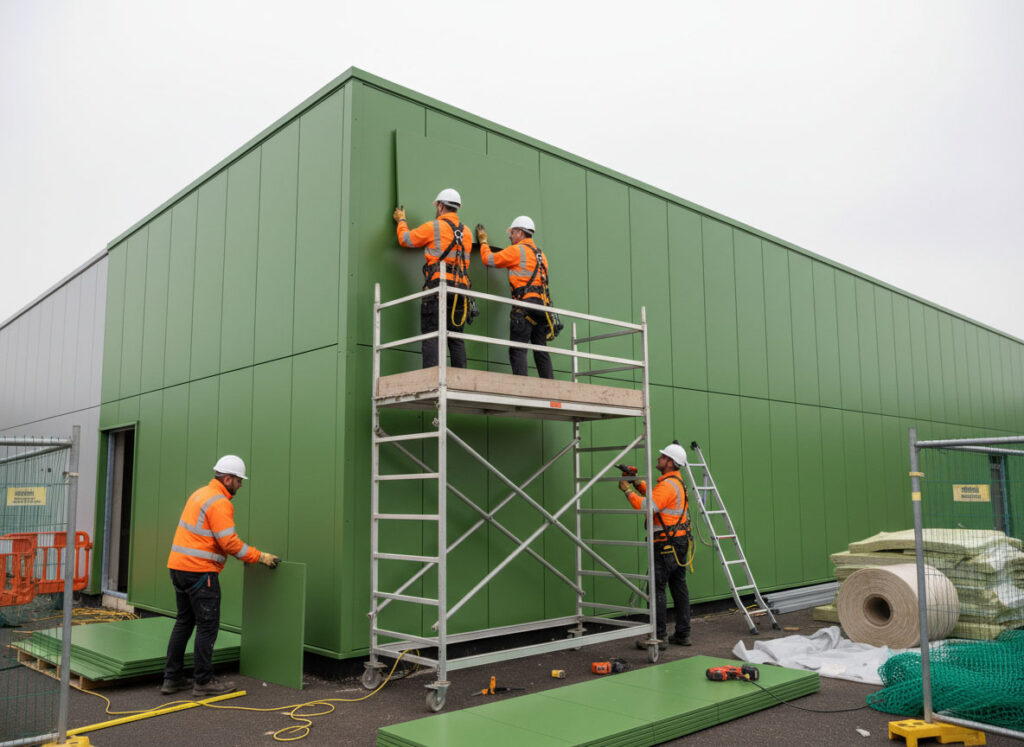
Industrial Cladding Contractors Borough Green Kent
How Do You Choose Commercial Cladding Contractors in Kent?
The first step is to establish whether the contractor regularly undertakes projects of a similar scale and type.
Before appointing commercial cladding contractors in Kent, consider asking:
- Do you regularly work on large commercial and industrial buildings?
- Which types of cladding do you install?
- Have you completed projects on buildings similar to ours?
- Can you assess existing cladding before recommending replacement?
- Can you work around an occupied or operational building?
- How will access and working at height be managed?
- Who will coordinate the project on site?
- What materials and finishes are included in the quotation?
- Can you undertake both cladding and associated roofing work?
A specialist contractor should be able to explain the proposed system clearly and provide a practical reason for recommending it.
Should the Existing Cladding Be Surveyed Before Replacement?
Yes. Where a building already has cladding, an inspection can help establish whether complete replacement is actually required.
Some buildings may have localised damage caused by impacts, weathering or failed fixings. In these circumstances, replacing individual panels or sections may be possible.
However, if deterioration is widespread, refurbishment or full replacement may provide better long-term value.
A survey can also identify areas around windows, doors, corners, flashings and roof junctions that need particular attention.
Can Existing Commercial Cladding Be Refurbished?
In many cases, yes. Refurbishment can be an effective way to improve an older commercial building without rebuilding the structure itself.
Depending on the condition of the property, refurbishment might involve replacing damaged sheets, renewing flashings, upgrading sections of cladding or installing a completely new external system.
It can also provide an opportunity to modernise the appearance of the building.
This is particularly useful for older warehouses and industrial units where the structure remains sound but the external finish looks dated or has begun to deteriorate.
Can New Cladding Transform the Appearance of a Commercial Building?
Yes. Cladding can make a substantial visual difference to a commercial property.
New colours, profiles and materials can help modernise an older building. Businesses can also use contrasting panels or feature areas around entrances, offices and reception spaces.
For companies moving into older premises, re-cladding can therefore help create a more professional appearance without requiring extensive structural changes.
A combination of metal and timber cladding can also be used where a softer architectural finish is required on particular elevations.
Can Commercial Cladding Improve Thermal Performance?
It can form part of an improvement to the external building envelope. However, thermal performance depends on the complete wall construction rather than the visible external panel alone.
Insulated cladding panels combine an external weather-resistant surface with insulation. These systems can therefore be particularly relevant to new commercial buildings and major refurbishment projects.
If energy performance is an important objective, businesses should discuss insulation requirements with the contractor before the system is specified.
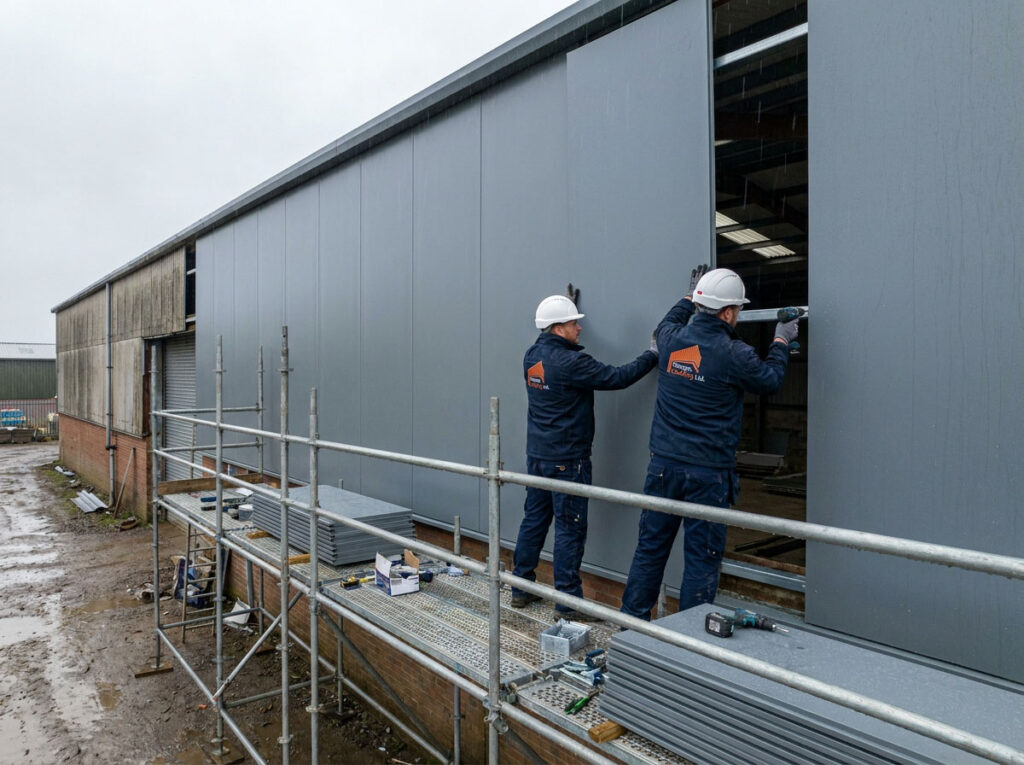
What Should Be Included in a Commercial Cladding Quotation?
For a large project, the quotation should provide enough information to understand what is being supplied and installed.
Depending on the project, this may include:
- The type of cladding system.
- Material specification and finish.
- Removal of existing cladding where required.
- Insulation where applicable.
- Flashings, trims and corner details.
- Work around windows, doors and entrances.
- Access equipment.
- Waste removal.
- Site management arrangements.
- Expected project programme.
If you are comparing several contractors, check the complete specification rather than simply comparing the final totals.
How Important Is Project Planning for Large Commercial Cladding Work?
Good project planning is particularly important on large commercial and industrial sites.
Material deliveries may need to be coordinated with existing vehicle movements. Access equipment must also be positioned safely without unnecessarily obstructing entrances, loading areas or emergency routes.
Where other contractors are working on the same project, sequencing may also be important. Roofing, windows, doors, flashings and cladding can all interact with one another.
A contractor experienced with commercial projects should therefore consider the wider programme rather than treating the cladding installation in isolation.
Can Cladding Work Be Carried Out While the Business Remains Open?
Often, yes. However, this depends on the scope of work and the layout of the premises.
Large projects can sometimes be divided into separate elevations or phases. This allows the contractor to work on one area while other parts of the site remain in normal use.
Businesses should explain important operational requirements before work starts. For example, access to loading bays, staff entrances or customer areas may need to remain available.
Planning these requirements in advance can help minimise unnecessary disruption.
How Important Is Health and Safety During Commercial Cladding Installation?
Commercial cladding installation often involves working at height. Scaffolding, mobile access equipment or other specialist systems may therefore be required.
The contractor also needs to consider employees, visitors and vehicles moving around the building below the working area.
Safe access, exclusion areas and project-specific working methods should all be considered before installation begins.
This is another reason why businesses should choose a contractor with experience of working on active commercial and industrial sites.
Should Roofing and Cladding Be Considered Together?
Where a building requires significant refurbishment, it can make sense to consider the roof and wall cladding together.
Roofing and cladding meet at several important areas, including gutters, eaves, corners and flashings. Coordinating the two systems can therefore help create a more complete external refurbishment.
NextGen Cladding also specialises in commercial and industrial metal roofing, allowing roofing and cladding requirements to be considered as part of the same project.
Why Choose a Kent-Based Commercial Cladding Contractor?
Experience should always be the main consideration when appointing a contractor. Nevertheless, choosing a company based relatively close to the project can have practical advantages.
A Kent-based contractor can attend site surveys, planning meetings and inspections without relying on teams travelling from another part of the country.
NextGen Cladding is based in Maidstone and provides commercial and industrial cladding services throughout Kent and the wider South East.
Frequently Asked Questions About Commercial Cladding Contractors
What buildings do commercial cladding contractors work on?
Commercial cladding contractors can work on warehouses, offices, factories, industrial units, workshops, retail buildings, distribution centres and other business premises.
What is the best cladding for a large commercial building?
There is no single best material for every building. Metal cladding and insulated panels are common choices, but the correct specification depends on the building, appearance, thermal requirements and budget.
Can damaged commercial cladding panels be replaced?
Yes. Where damage is localised, individual sheets or panels may sometimes be replaced without renewing the complete elevation.
Can an old warehouse be re-clad?
Yes. Re-cladding can improve weather protection and dramatically modernise the appearance of an older warehouse or industrial unit.
Can timber cladding be used on commercial buildings?
Yes. Timber can be used on offices, entrances, reception areas and other commercial features where a natural or architectural finish is wanted.
Do commercial cladding contractors install insulated panels?
Many specialist contractors do. Insulated panels can provide an external cladding finish while also contributing to the thermal performance of the wall system.
Can cladding work be completed in stages?
Often, yes. Large commercial projects can sometimes be divided by elevation or work area to help minimise disruption to an operating business.
Do commercial cladding contractors also install metal roofs?
Some companies specialise in both. This can be particularly useful for projects where roofing and wall cladding are being refurbished together.
Looking for Commercial Cladding Contractors in Kent?
For a large-scale commercial cladding project, choosing a contractor with relevant experience is important. The right specialist should understand the materials, installation process, working-at-height requirements and practical challenges of completing work around a commercial site.
NextGen Cladding specialises in commercial and industrial metal cladding, timber cladding, roofing and external building refurbishment. Based in Maidstone, the company works with businesses throughout Kent and the South East.
If you are planning new cladding, re-cladding or refurbishment of a commercial building, contact NextGen Cladding to discuss your project.