
How to Choose a Metal Roofing Specialist for a Commercial Building in Kent
If you are planning a new roof, refurbishment or replacement for a warehouse, factory or commercial property, choosing the right contractor is essential. Metal roofing installation in Kent requires specialist knowledge of commercial roofing systems, materials, detailing and safe working on large buildings.
A well-installed metal roof can provide long-term protection for an industrial or commercial property. However, the quality of the finished roof depends not only on the materials used, but also on the experience of the company designing and installing the system.
So, what should you look for when choosing a metal roofing specialist? Below, we answer the questions commercial property owners, facilities managers and contractors commonly ask before appointing a roofing company.
Why Choose Metal Roofing for a Commercial Building?
Metal roofing is widely used on industrial and commercial buildings because it is particularly suited to large roof areas.
Warehouses, factories, workshops, distribution centres and commercial units often need a roofing system that is practical, durable and capable of protecting a large building from the weather.
Depending on the project, metal roofing can also be combined with insulation, rooflights, ventilation systems and matching wall cladding.
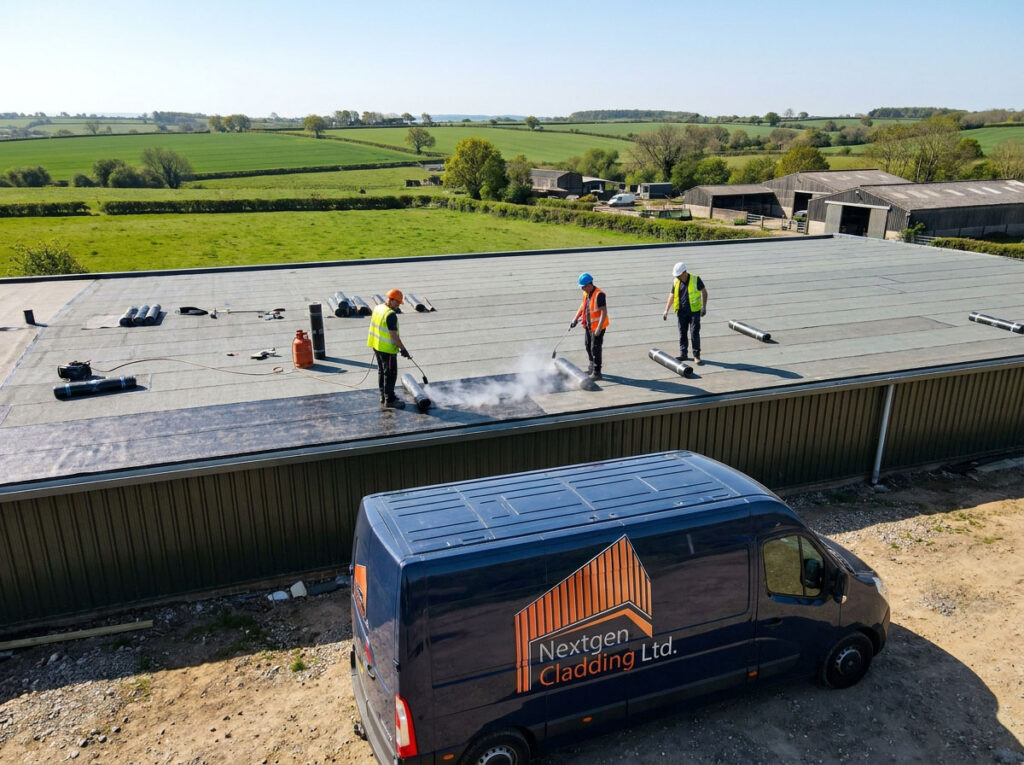
NextGen Cladding provides specialist metal roofing services for industrial and commercial buildings throughout Kent and the wider South East.
What Types of Metal Roofing Are Used on Commercial Buildings?
There are several types of metal roofing system, so the right choice depends on the building and its intended use.
Common options include:
- Profiled metal roofing sheets commonly used on warehouses, factories and industrial units.
- Standing seam roofing, which uses concealed fixings and provides a clean, modern appearance.
- Insulated roof panels that combine the external roofing surface with insulation.
- Built-up metal roofing systems designed to provide weather protection and thermal performance.
- Metal roofing with integrated rooflights to provide natural daylight inside larger buildings.
An experienced contractor should explain the advantages of the available systems rather than simply recommending the same product for every building.
How Do You Choose a Metal Roofing Specialist in Kent?
When comparing contractors, start by looking at the type of work they normally undertake.
A company that mainly works on houses may not have the same experience as a contractor specialising in factories, warehouses and larger commercial premises.
Before appointing a contractor for metal roofing installation in Kent, consider asking:
- Do you regularly install metal roofing on industrial and commercial buildings?
- Which metal roofing systems do you work with?
- Have you completed projects on buildings similar to ours?
- Can you inspect the existing roof before recommending a system?
- How will the roof be accessed safely?
- How will the work affect our day-to-day business operations?
- Who will manage the project on site?
- What is included in the quotation?
- What maintenance will the new roof require?
The contractor should be able to answer these questions clearly and explain why the proposed roofing solution is suitable for your property.
Why Does Commercial Roofing Experience Matter?
Commercial and industrial roofing projects can be significantly larger and more complex than domestic roofing work.
A warehouse roof, for example, may cover thousands of square metres. It may also contain rooflights, ventilation systems, ducts, extraction equipment and other penetrations that need careful detailing.
Furthermore, the building may remain operational while the roof is installed. Deliveries, staff movements, machinery, vehicles and production schedules may therefore influence how the work is planned.
A specialist commercial metal roofing contractor should take these factors into account from the beginning.
Should a Contractor Survey the Existing Roof First?
Yes, particularly where an existing industrial roof is being replaced or refurbished.
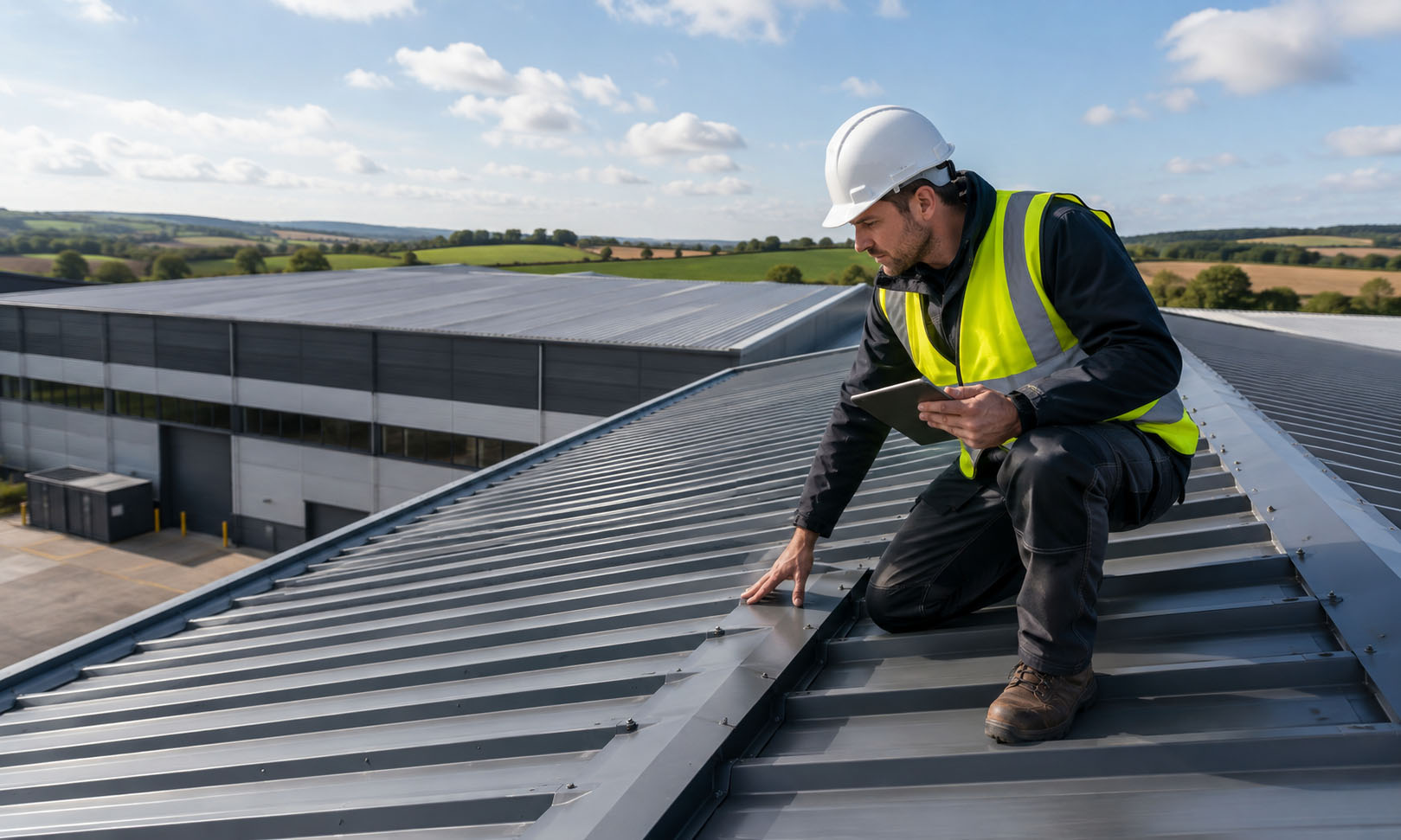
A site inspection allows the contractor to understand the current roofing system, identify areas of deterioration and assess access requirements.
It may also reveal that complete replacement is not necessary. In some cases, repairs or refurbishment may provide a more appropriate solution.
For example, isolated problems with sheets, fixings, flashings or rooflights may be suitable for commercial roof repairs rather than a complete new roof.
What Should Be Included in a Metal Roofing Quotation?
A commercial roofing quotation should make it reasonably clear what work is being proposed.
Depending on the project, this may include:
- The roofing system and materials being installed.
- Removal or treatment of the existing roof where required.
- Insulation included within the roofing system.
- Rooflights and associated detailing.
- Flashings, trims and edge details.
- Gutters and rainwater systems where applicable.
- Access equipment and site arrangements.
- Waste removal.
- Estimated programme and timescale.
If several quotations differ significantly in price, compare the specification as well as the total cost. A lower quotation may not necessarily include the same materials or scope of work.
Can Metal Roofing Be Installed While the Business Remains Open?
Often, yes. However, this depends on the size and complexity of the project.
An experienced industrial roofing contractor can often divide the work into stages. This can reduce disruption and allow parts of the building to continue operating.
Access routes, deliveries and exclusion zones should also be planned before work begins.
For factories and manufacturing premises, the contractor may need to coordinate roofing work with production schedules. Therefore, discussing operational requirements early in the project is important.
How Important Is Safety During Commercial Metal Roofing Installation?
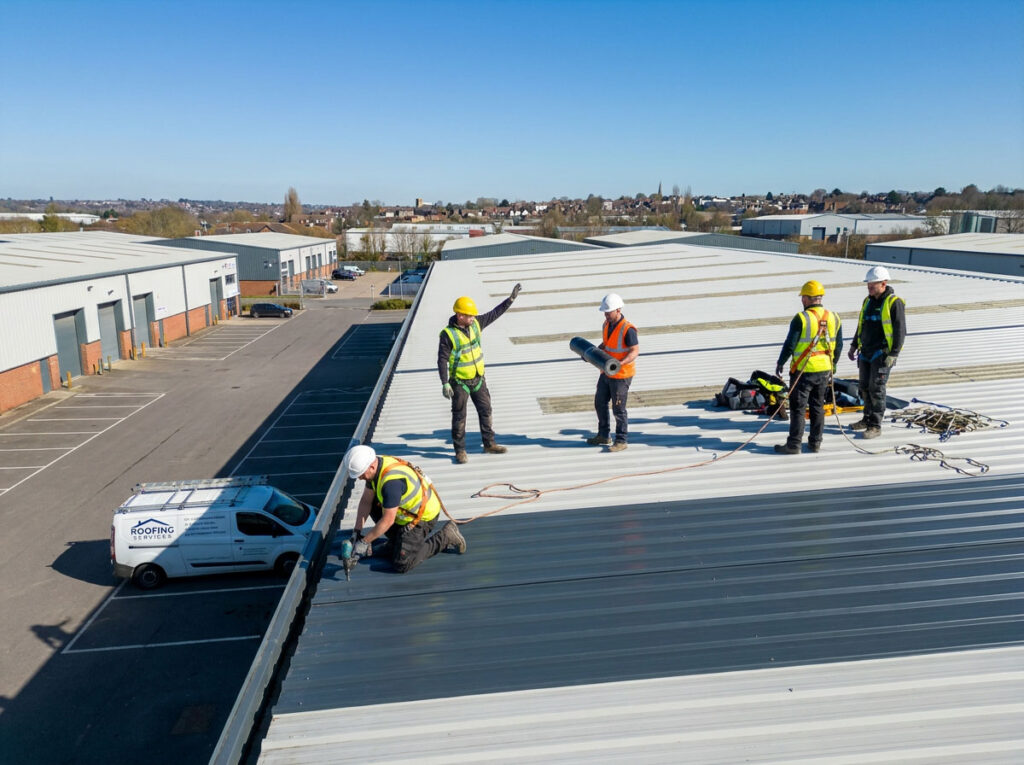
Roofing work involves working at height, so safety planning is essential. Industrial buildings can also contain fragile rooflights or existing roofing materials that should not be assumed to support a person’s weight.
Before work begins, the contractor should consider safe access, working areas and suitable fall-protection measures.
Businesses should also ask how areas beneath the roof will be managed while work takes place. This is particularly important where employees, visitors, stock or machinery remain inside the building.
Should You Choose a Local Metal Roofing Company?
Location should not be the only consideration. Experience and suitability for the project are more important.
However, using a contractor based reasonably close to the site can make surveys, meetings and project planning easier.
NextGen Cladding is based in Maidstone and works on commercial and industrial projects throughout Kent and the wider South East. Therefore, businesses can work with a specialist contractor that is familiar with projects across the region.
How Long Does Commercial Metal Roofing Installation Take?
There is no standard timescale because every project is different.
The programme will depend on:
- The overall size of the roof.
- The type of metal roofing system.
- The condition of the existing roof.
- Whether old materials need to be removed.
- The number of rooflights and penetrations.
- Site access.
- Weather conditions.
- Whether the building needs to remain operational.
A contractor should be able to provide an expected programme once the building has been surveyed and the roofing specification has been agreed.
How Long Does a Metal Roof Last?
The lifespan of a commercial metal roof depends on the roofing system, material, protective coating, installation quality, environment and ongoing maintenance.
Rather than relying on a single lifespan figure, businesses should consider the complete specification and the maintenance requirements of the chosen system.
Periodic inspections can also help identify minor issues before they develop into larger problems.
Does Metal Roofing Require Maintenance?
Yes. Although metal roofing can be relatively low maintenance, it should not simply be ignored after installation.
Inspections can help identify:
- Loose or damaged fixings.
- Problems around flashings.
- Deteriorated sealants.
- Blocked gutters.
- Damage around rooflights.
- Signs of corrosion.
- Damage caused by severe weather or other activity on the roof.
Prompt maintenance can help protect the roofing system and extend its useful life.
Can Metal Roofing Improve the Energy Performance of a Building?
It can form part of an improved roofing system, particularly where new insulation is incorporated.
However, the thermal performance of a roof depends on the complete construction rather than the outer metal sheet alone.
If energy efficiency is an important objective, discuss insulation requirements with the contractor before choosing the roofing system.
Can Metal Roofing Be Combined With Wall Cladding?
Yes. Metal roofing and wall cladding are often used together on industrial and commercial buildings.
Using complementary systems can create a coordinated appearance while protecting both the roof and external walls.
This can be particularly useful during the refurbishment of an older warehouse or industrial unit. NextGen also installs metal cladding for commercial and industrial buildings.
Frequently Asked Questions About Metal Roofing Installation
Is metal roofing suitable for warehouses?
Yes. Metal roofing is widely used on warehouses because it is well suited to large roof areas and can be combined with insulation and rooflights.
Is metal roofing suitable for factories?
Yes. Factories and manufacturing buildings commonly use metal roofing systems. However, the specification should take account of the way the building operates and any plant or roof penetrations.
Can an existing industrial roof be replaced with metal roofing?
In many cases, yes. The existing roof and supporting structure should first be assessed so that the contractor can recommend the most appropriate replacement or refurbishment system.
Can only part of a metal roof be replaced?
Sometimes. Where damage is localised, individual sheets or sections may be repaired or replaced. A roof inspection will help establish whether partial repair is practical.
What is the best metal roofing system for a commercial building?
There is no single system that is best for every property. The correct solution depends on the building design, use, insulation requirements, appearance, budget and existing roof construction.
Do metal roofs include insulation?
They can. Insulated roof panels and built-up systems can incorporate insulation as part of the complete roof construction.
Can rooflights be installed within a metal roof?
Yes. Rooflights are commonly incorporated into industrial metal roofing systems to provide natural daylight inside warehouses, factories and commercial premises.
Who should install an industrial metal roof?
Businesses should choose a contractor with proven experience installing metal roofing systems on industrial and commercial buildings rather than selecting a company based on price alone.
Looking for Metal Roofing Installation in Kent?
Choosing the right roofing specialist is an important part of any commercial or industrial metal roofing project. Experience with large buildings, correct system specification, safe working and careful project planning can all affect the performance of the finished roof.
NextGen Cladding specialises in commercial and industrial metal roofing, cladding, refurbishment and repairs. Based in Maidstone, the company works with businesses across Kent and the wider South East.
If you are planning a new metal roof or considering replacement or refurbishment of an existing system, contact NextGen Cladding to discuss your project.